A collection of projects and research, including website design, training content, and an APA format research study.
NONE OF THE CONTENT BELOW MAY BE USED WITHOUT PRIOR WRITTEN CONSENT BY THE AUTHOR, TAMARA GIRODIE.
Samples of my curriculum development
Net it Out: A simplification of language for business communication. Created in a proprietary LMS.
note: the blue circles represent touch/click points for the learner, which expand into more detailed dialogue
Samples of my curriculum development
Included below is a sample training I’ve created in two delivery formats: Instructor-Led and Self-Guided
Instructor-Led Format

Self-Guided Format
What Would You Do Here?
WWYDH facilitates economic and social revitalization in Baltimore by combining the existing vacant and underutilized built infrastructures with the creative imagination and skills of people throughout the city. We begin by asking the simplest question:
“What Would You Do Here?”
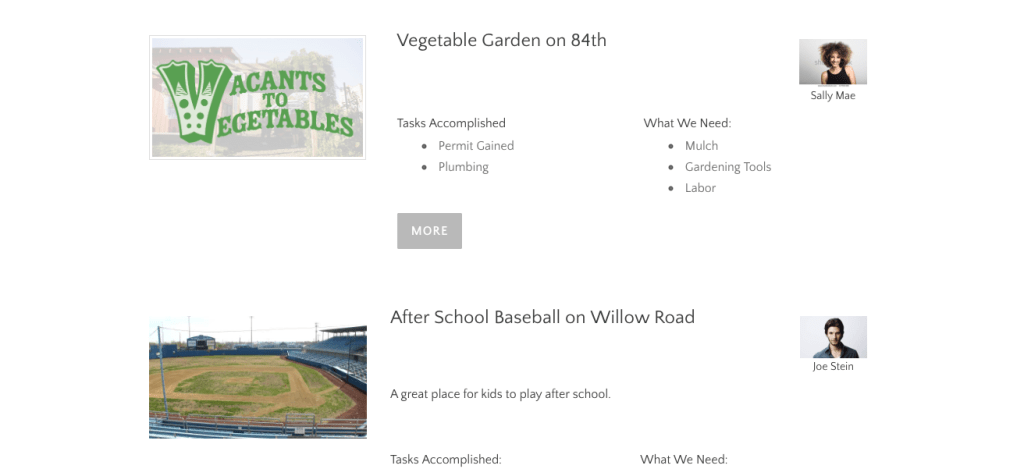
This school project was created with Weebly site builder to create a functional site prototype. Below are some screenshots of the finished project.
Visit the site here: WWYDH




APA Format Research Paper
A Comparative Analysis on Smartphone Usage: Apple Retail Employees vs. College Students
Abstract: Smartphone usage is continually on the rise amongst individuals around the world. The current study explored smartphone usage within two high risk groups, namely college students and employees of Apple Inc. retail. Ten participants from each group downloaded the app Realizd on their smartphones and allowed it to record the number of hours spent on the phone and the number of times their phones were unlocked per day. After six days participants submitted their data, though with a high attrition rate, only 4 participants from each group remained. T-tests revealed that while college students and Apple Inc. employees did not show significant differences in their hours per day, the college students unlocked their phones significantly more. These elevated levels of smartphone usage suggest that closer attention should be paid to individuals amongst these groups to identify the risk of and subsequently prevent smartphone addiction. The ways in which these groups use their smartphones should be evaluated to explain the discrepancy in number of times unlocked per day.
 Tamara Girodie - Portfolio
